

The Non-Hormonal Solution to Restoring Intimacy: Is MonaLisa Touch® Right for You?
Discover how MonaLisa Touch®, a non-hormonal laser treatment, can help restore intimacy and relieve vaginal dryness. Learn if this therapy is right for you.
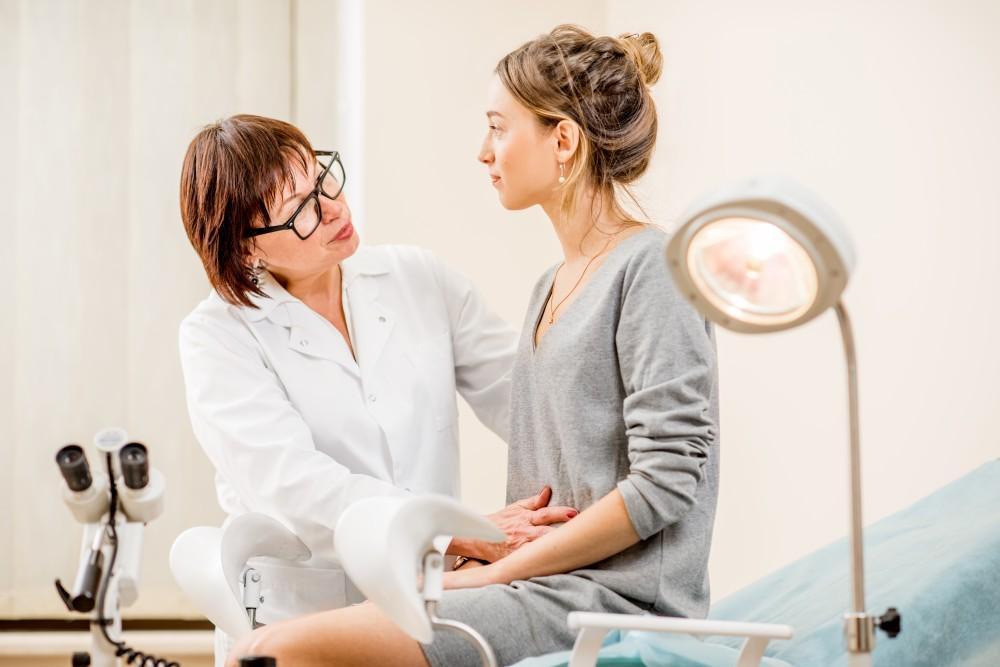
Many women quietly deal with heavy periods, assuming it is just their normal cycle.
At ThriveOB and Women's Wellness in Barrington, IL, Dr. Jennifer Moreira and our team help you find answers. We provide comprehensive gynecology services to address abnormal bleeding and restore your peace of mind. If your period disrupts your daily life, it is time to take a closer look at your symptoms.
A period is clinically heavy if it interferes with your daily activities or lasts longer than seven days.
According to the Centers for Disease Control and Prevention, a typical period lasts four to five days. The CDC defines heavy bleeding by specific signs:
We recommend keeping a simple log of your symptoms before your visit. Tracking how often you change products helps our team at ThriveOB and Women's Wellness customize your care.
Untreated heavy periods can deplete your body's iron stores and lead to iron-deficiency anemia.
The Office on Women's Health notes that this chronic blood loss can cause constant fatigue and physical weakness. This happens because your body loses red blood cells faster than it can replace them. If you feel constantly exhausted or dizzy, your bleeding may be affecting your systemic health.
At our Barrington, IL office, we run simple blood tests to check your iron levels. We focus on treating both the heavy flow and its impact on your overall health.
An underdiagnosed genetic bleeding disorder called von Willebrand disease is a common cause of heavy periods.
Many people believe bleeding disorders only affect men, but this is a misconception. The Centers for Disease Control and Prevention explains that von Willebrand disease is the most common inherited bleeding disorder. Because of this misconception, women often face long delays before getting an accurate diagnosis.
Our providers look beyond the surface to find the true source of your heavy bleeding. We offer advanced diagnostics to ensure you get the right treatment.
Your first visit will involve a detailed discussion of your symptoms and a few simple, non-invasive tests.
We will review your menstrual history and any symptom logs you have kept. To find the cause, we typically perform blood work and a pelvic ultrasound. An ultrasound uses painless sound waves to detect physical causes, such as fibroids.
Once we have a clear picture, we discuss personalized medical options to lighten your flow. Our goal is to make your evaluation comfortable and stress-free.
You do not have to live with the exhaustion and disruption that come with heavy periods. Our compassionate team is here to help you regain control of your health. To discuss your symptoms and find relief, schedule a visit with us today.


